
Case File #018
Best Deshedding Tool for Short-Haired Dogs
📝 Case Summary
Case File #018: hair is everywhere
Pet: Dogs
Category: Grooming Tools
Importancy Level: Depends
Main Suspects: Hair, lots and lots of hair.
Full Case File 📂
Best Deshedding Tool for Short-Haired Dogs: Top Picks for Every Coat Type
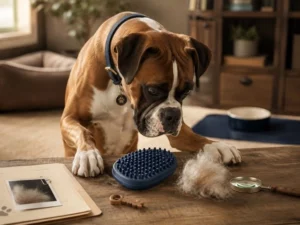
The evidence is everywhere: a fur-confetti trail across the hardwood floor, a suspiciously fuzzy black shirt, and a dog-shaped imprint on the couch made entirely of loose hair.
Short-haired dogs may look low-maintenance, but many are stealth shedders. A smooth-coated Boxer can leave behind a surprising amount of fur, while a short-haired Labrador may shed enough undercoat to build a second Labrador by spring.
So, what can be done?
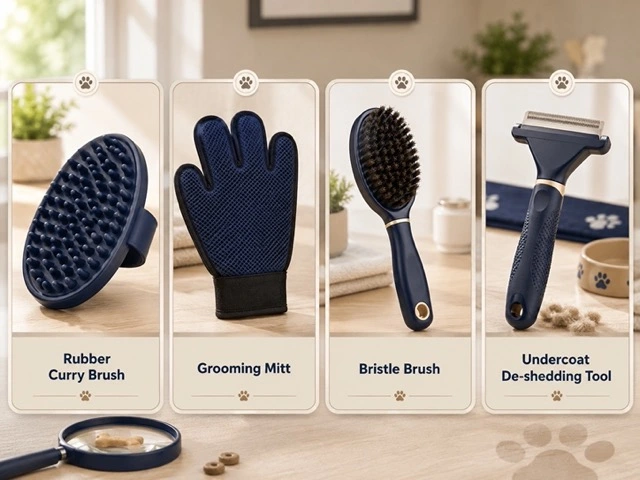
For most dogs with short coats, a rubber curry brush or grooming mitt is the best everyday choice because it lifts loose surface hair gently. For short-haired dogs with a dense undercoat—think Labrador Retrievers, Beagles, Pugs, and Rottweilers—a short-hair undercoat de-shedding tool can be useful during heavier shedding periods, provided it is used carefully.
The mystery is not really about hair length. The real clue is what is happening underneath that short coat.
Quick Verdict: The Best Deshedding Tools for Short-Haired Dogs
|
Best for |
Tool |
Why it stands out |
|
Best overall for most short-haired dogs |
KONG ZoomGroom |
Flexible rubber teeth, gentle feel, works dry or during baths |
|
Best for short-haired double coats |
FURminator Undercoat deShedding Tool for Short Hair |
Designed to reach loose undercoat beneath a short topcoat |
|
Best for sensitive or nervous dogs |
HandsOn Grooming Gloves |
Feels more like petting than traditional brushing |
|
Best for heavy surface shedding |
SleekEZ Original Grooming Tool |
Collects loose hair quickly with a simple, easy-to-clean design |
|
Best for daily finishing |
Soft bristle brush |
Smooths the coat and picks up lingering surface hair |
|
Best bath-time option |
Rubber curry brush or grooming mitt |
Helps loosen hair while distributing dog-safe shampoo |
The American Kennel Club recommends choosing grooming tools according to a dog’s coat type, size, and breed. Rubber brushes and grooming mitts are especially useful for short-coated dogs, while undercoat tools are more relevant for dogs with heavier undercoat shedding. (American Kennel Club)
How We Chose These Deshedding Tools
A good deshedding tool should collect loose fur without turning grooming into an uncomfortable interrogation.
For this roundup, we looked for tools that offered:
- A good match for short coats
- Gentle contact with the skin
- Useful design features for loose hair removal
- Easy cleaning and handling
- Clear manufacturer directions
- Different options for sensitive dogs, dense undercoats, and heavy shedders
- A realistic purpose in a home grooming routine
One important note from the case file: no brush can stop normal shedding altogether. The right tool can reduce the loose fur that ends up on your floors, furniture, and freshly washed laundry—but your dog will still be, quite proudly, a dog.
1. Best Overall for Most Short-Haired Dogs: KONG ZoomGroom
Best for: Smooth-coated dogs, sensitive dogs, bath-time grooming, and regular low-pressure maintenance.
For many short-haired dogs, the KONG ZoomGroom is the easiest place to start. Its soft, flexible rubber teeth are designed to loosen hair while giving the dog a massage-like grooming experience. The tool can be used on a dry coat or during a bath, making it a handy option for pet parents who want one uncomplicated brush that can handle routine grooming.
KONG says the ZoomGroom can be used dry or with shampoo, and recommends gentle circular motions to help remove loose hair. The product’s flexible rubber design is particularly appealing for dogs who dislike firm bristles or metal grooming tools. (KONG Company)
Why it is a strong pick
- Gentle on smooth, short coats
- Easy to use on dogs who are new to grooming
- Can be used during baths
- Useful for frequent, short grooming sessions
- Less intimidating than a metal-toothed de-shedding tool
Keep in mind
A rubber brush is excellent for loose surface hair, but it may not remove a substantial amount of dead undercoat from a heavily shedding Labrador, Pug, or Beagle during seasonal shedding.
Pet Detective verdict: The best first suspect for most short-haired dogs. It is simple, gentle, and unlikely to overwhelm a dog—or their human.
2. Best for Short-Haired Dogs With Dense Undercoats: FURminator Undercoat deShedding Tool for Short Hair
Best for: Short-haired double-coated dogs, especially during heavier shedding periods.
A short coat can hide a whole lot of undercoat. That is why a dog like a Labrador Retriever may need more than a rubber brush during seasonal shedding.
The FURminator Undercoat deShedding Tool for Short Hair is designed with a stainless-steel edge that reaches beneath the topcoat to remove loose undercoat hair. It comes in dog-size and coat-length variations, so choosing the short-hair version and the correct size for your dog matters.
The manufacturer directs pet parents to use long, gentle strokes in the direction of hair growth and to avoid repeatedly brushing the same area. It specifically warns that deep or rough brushing can irritate the skin and says to discontinue use if redness or irritation appears. (Furminator)
Why it is a strong pick
- Made specifically for loose undercoat removal
- Available in short-hair versions
- Useful for dense-coated short-haired breeds
- Ergonomic design can make longer grooming sessions easier
- Helps target the loose, downy hair that rubber brushes may leave behind
Keep in mind
This is not the right everyday tool for every short-haired dog. A smooth-coated Greyhound, Boxer, Whippet, or dog with sensitive skin may do better with a rubber brush or grooming mitt.
Pet Detective verdict: A serious tool for a serious shedding case. Powerful, useful, and best handled with a gentle hand.
3. Best for Sensitive or Nervous Dogs: HandsOn Grooming Gloves
Best for: Puppies, anxious dogs, sensitive dogs, and pet parents who want a lower-pressure grooming routine.
Some dogs see a brush and immediately open an investigation into how quickly they can leave the room.
Grooming gloves can help because they feel more like petting than a formal brushing session. HandsOn Grooming Gloves have textured rubber-like nodules across the fingers and palms, allowing pet parents to lift loose hair while using familiar stroking motions.
The company describes the gloves as flexible and textured, designed to massage while distributing natural oils through the coat. (HandsOnGloves)
Why they are a strong pick
- Good for dogs who dislike brushes
- Can create a calmer grooming experience
- Useful for bonding and cooperative care training
- Works well for quick touch-ups
- Can be used during baths, depending on the product instructions
Keep in mind
Grooming gloves are not built for major undercoat removal. They are best used as a gentle maintenance tool or an introduction to grooming.
Pet Detective verdict: The undercover agent of dog grooming. Your dog may think they are simply receiving deluxe scratches.
4. Best for Heavy Surface Shedding: SleekEZ Original Grooming Tool
Best for: Short-coated dogs with lots of loose surface hair and pet parents who want a quick, simple cleanup tool.
The SleekEZ Original Grooming Tool is a compact shedding tool with a toothed blade designed to catch loose hair near the tips of the coat. It is available in multiple sizes and is marketed for use on short- and long-haired animals.
According to the manufacturer, the small teeth are arranged in a wave pattern intended to gather shedding hair while minimizing painful tugging. The company also notes that the tool can be used on pet bedding, furniture, and other fur-covered crime scenes around the home. (SleekEZ)
Why it is a strong pick
- Quick to clean
- Simple one-piece design
- Useful for collecting loose hair from short coats
- Available in different sizes
- Can help with fur on pet bedding and upholstery
Keep in mind
Use light pressure. Even tools marketed as gentle can cause discomfort when used too aggressively or too often. Start with a small test area, especially if your dog has thin skin, skin irritation, or a very sleek coat.
Pet Detective verdict: Excellent for a high-volume shedding scene, but do not confuse “more hair collected” with “more pressure needed.”
5. Best for Daily Coat Finishing: A Soft Bristle Brush
Best for: Dogs who shed lightly, dogs who need a finishing step, and pet parents who want a simple, gentle grooming routine.
A soft bristle brush may not look dramatic, but it can be exactly what a short-haired dog needs. It helps remove light surface debris, distributes natural oils, and leaves the coat looking smoother and shinier.
The AKC notes that short-haired dogs can often do well with weekly brushing and identifies short-bristle brushes and hound mitts as useful options for these coats. (American Kennel Club)
Why it is a strong pick
- Gentle enough for regular use
- Helps smooth the coat after grooming
- Useful for dogs with light shedding
- Simple and affordable
- Good companion tool alongside a rubber brush
Keep in mind
A bristle brush is not likely to solve a major undercoat-shedding problem. It is more of a maintenance brush than a deep de-shedding tool.
Pet Detective verdict: Not flashy, but reliable. Think of it as the final sweep after the bigger clues have been collected.
6. Best Bath-Time Option: A Rubber Curry Brush or Grooming Mitt
Best for: Dogs who shed heavily after bathing or who enjoy water-based grooming.
Bath time can loosen dead hair, which makes it a useful opportunity to gently work through the coat with a rubber curry brush or grooming mitt. The flexible nubs can help distribute dog-safe shampoo while loosening surface hair.
KONG recommends using its ZoomGroom with shampoo in circular motions and rinsing thoroughly afterward. (KONG Company)
Why it is a strong pick
- Combines bathing and light grooming
- May help capture loose hair before it dries around the house
- Gentle for many short-coated dogs
- Easy to rinse clean
Keep in mind
Never scrub aggressively. Keep grooming tools and shampoo away from the eyes, ears, mouth, and nose, and make sure your dog is comfortable with handling before turning bath time into a full grooming session.
Pet Detective verdict: A two-for-one operation: clean dog, less loose hair, and fewer furry clues left around the bathroom.
The Real Clue: Your Dog’s Coat Type Matters More Than Hair Length
“Short-haired” is a useful description, but it does not tell the whole story.
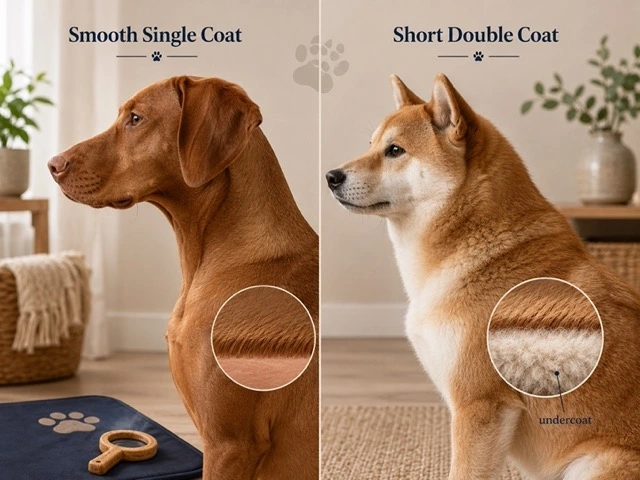
A short-haired Boxer and a short-haired Labrador may both have sleek coats, yet their grooming needs can be completely different. One may mostly shed surface hair. The other may shed loose undercoat in impressive seasonal waves.
Short, Single-Coated Dogs
Examples may include Boxers, Greyhounds, Whippets, Boston Terriers, and some bully-breed mixes.
These dogs often do best with:
- Rubber curry brushes
- Grooming mitts
- Soft bristle brushes
- Brief, gentle grooming sessions
For many single-coated dogs, a strong undercoat tool is unnecessary and may be too harsh.
Short, Double-Coated Dogs
Examples may include Labrador Retrievers, Beagles, Pugs, Rottweilers, German Shorthaired Pointers, and many mixed-breed dogs.
These dogs may benefit from:
- A rubber curry brush for regular maintenance
- A short-hair undercoat tool during heavier shedding
- A grooming mitt for gentle daily touch-ups
- More frequent brushing during seasonal coat changes
The AKC notes that de-shedding tools and coat rakes can help during periods when a dog is shedding large amounts of loose undercoat hair. (American Kennel Club)
Dogs With Sensitive Skin
If your dog has thin skin, redness, itching, flaking, allergies, or a history of skin irritation, make gentleness the priority.
Start with:
- A rubber brush
- A grooming mitt
- Short grooming sessions
- Light pressure
- Frequent breaks
Avoid pressing a metal-edged tool into the coat. Grooming should not leave your dog flinching, scratching more, or showing red patches afterward.
How to Use a Deshedding Tool on a Short-Haired Dog Safely
The goal is loose hair removal—not a high-speed excavation.
- Start with a calm dog. Choose a quiet space and offer treats, praise, or a lick mat if that helps your dog relax.
- Check the skin first. Look for redness, bumps, scabs, bald patches, or sore areas before you begin.
- Use gentle strokes in the direction of hair growth. This is especially important with undercoat tools. The FURminator manufacturer recommends long, gentle strokes and warns against repeatedly brushing the same spot. (Furminator)
- Use lighter pressure than you think you need. The tool should move across the coat, not scrape the skin.
- Be extra careful around delicate areas. Use caution on the belly, legs, tail, armpits, groin, and bony points such as hips and shoulders.
- Stop at the first sign of discomfort. Redness, flinching, turning away, lip licking, growling, or repeated attempts to leave are all useful clues that the session should end.
- Finish with a soft brush or gentle petting. This helps your dog associate grooming with a calm, positive ending.
More Pressure Does Not Mean Less Shedding
Over-brushing can irritate the skin and damage the coat. The AKC also cautions that de-shedding tools can harm a dog’s coat if used incorrectly. (American Kennel Club)
A shorter, gentler grooming routine done consistently is usually better than one intense session that makes your dog dread the brush.
How Often Should You Brush a Short-Haired Dog?
The ideal schedule depends on your dog’s coat, shedding level, skin condition, and tolerance for grooming.
Here is a sensible starting point:
|
Tool type |
Suggested starting frequency |
|
Rubber curry brush |
1–3 times per week |
|
Grooming mitt |
As needed for quick, gentle sessions |
|
Soft bristle brush |
1–3 times per week |
|
Undercoat de-shedding tool |
About once weekly during heavier shedding, only if appropriate |
|
Shedding blade-style tool |
Occasional, light use as needed |
Some short-haired dogs may need only a weekly brush. Others, particularly short-haired double-coated breeds, may need more frequent grooming when seasonal shedding picks up. The key is to watch your dog’s coat and comfort level rather than following a rigid schedule.
What About a Short-Haired Dog That Sheds All the Time?
A little year-round shedding is normal for many dogs. Indoor lighting, temperature-controlled homes, normal coat turnover, and seasonal changes can all affect how much hair you see around the house.
But there is a difference between ordinary fur on the couch and a potential health concern.
Contact your veterinarian if your dog’s shedding is sudden, patchy, or paired with symptoms such as:
- Bald spots or thinning patches
- Red, flaky, crusty, or inflamed skin
- Strong odor from the skin
- Persistent scratching, licking, or chewing
- Scabs, bumps, or sores
- Noticeable behavior changes
- Changes in appetite, weight, or energy
The AKC notes that excessive shedding or hair loss may be related to skin injury, parasites, stress, hormonal issues, diet concerns, or skin disease, among other causes. (American Kennel Club)
A brush can remove loose hair, but it cannot solve an underlying medical issue. That part of the case belongs with your veterinarian.
Disclosure: Product recommendations in this article are based on product specifications, grooming guidance, editorial research, and available customer feedback—not personal hands-on testing. Always follow the manufacturer’s instructions and stop grooming if your dog appears uncomfortable.
The Final Verdict
The best deshedding tool for short-haired dogs is not necessarily the one that pulls out the most fur in a single pass.
For most smooth-coated dogs, a rubber curry brush or grooming mitt is the everyday hero: gentle, useful, and easy to work into a regular routine. For short-haired dogs with dense undercoats, a short-hair undercoat de-shedding tool can be an excellent addition during periods of heavier shedding—as long as it is used carefully.
The case is officially solved when you choose a tool that matches your dog’s coat, protects their skin, and leaves grooming feeling less like a wrestling match and more like quality time.
Frequently Asked Questions
What is the best deshedding tool for short-haired dogs?
For most short-haired dogs, a rubber curry brush or grooming mitt is the best starting point because it gently lifts loose hair without aggressive pulling. For short-haired dogs with a dense undercoat, a short-hair undercoat de-shedding tool may be more effective during heavy shedding.
What is the best brush for a short-haired Labrador?
A Labrador often benefits from two tools: a rubber curry brush for regular grooming and a short-hair undercoat tool for heavy shedding periods. Use the undercoat tool carefully and avoid excessive passes over one area.
Do short-haired dogs need de-shedding tools?
Not always. Many short-haired dogs do well with a rubber brush, grooming mitt, or soft bristle brush. De-shedding tools are most useful when there is a significant amount of loose undercoat to remove.
Is a rubber brush better than a de-shedding blade?
For many short-haired dogs, yes. Rubber brushes are gentler and better suited to frequent maintenance. A de-shedding blade or undercoat tool may collect more hair from dense coats, but it should be used more cautiously.
How often should I brush my short-haired dog?
Many short-haired dogs do well with brushing one to three times a week. Dogs with dense undercoats may need additional grooming during seasonal shedding, while sensitive dogs may do better with short, gentle sessions.
Can a de-shedding tool hurt a dog?
It can cause irritation if used too hard, too often, or on a coat that does not need aggressive undercoat removal. Stop grooming if you notice redness, discomfort, flinching, or changes in your dog’s behavior.
Become a Junior Pet Detective
Get weekly pet mysteries, behavior clues, recall alerts, and detective-approved recommendations sent straight to your inbox.